
Simple systems for stronger homes start here.
This post may contain affiliate links, which means I may earn a small commission if you choose to purchase through them at no extra cost to you. I only share products and tools that genuinely support the simple systems and stronger home rhythms I use in my own home.
If dinner time always seems to sneak up on you, leads to last minute grocery runs, or ends in expensive takeout, your pantry may not be working for you yet.
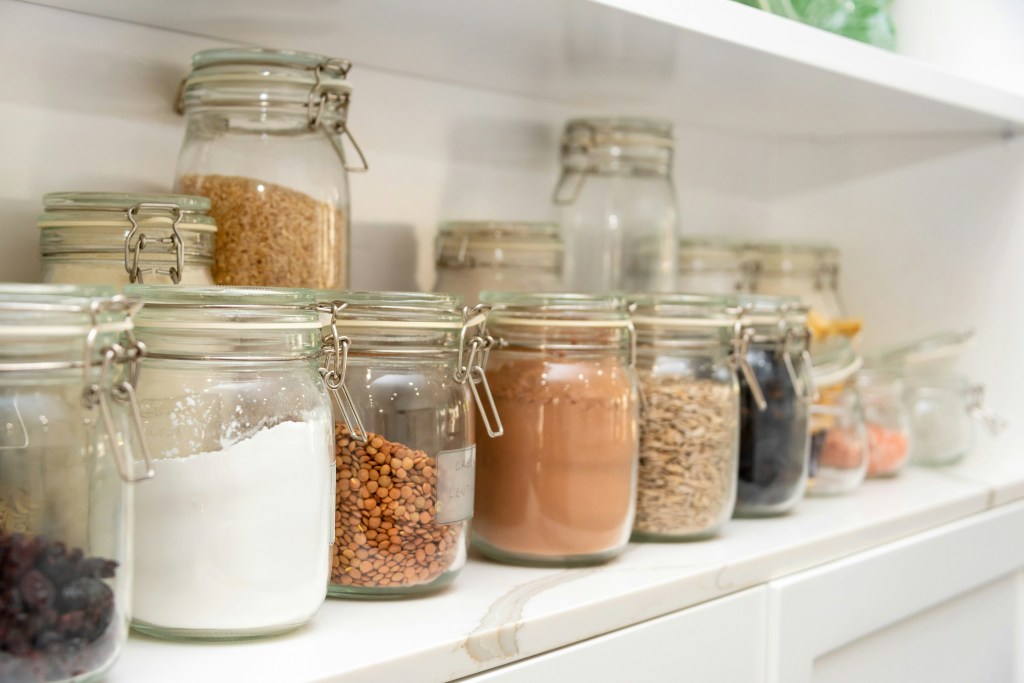
The good news is that building a strong pantry foundation does not require a huge budget, a perfectly organized pantry, or shelves packed with food you will never use. It simply means creating a reliable system around the ingredients your family already loves so meals feel easier, waste stays lower, and your home runs with less stress.
At Heavyweight Hens, I believe stronger homes are built through simple, repeatable systems. A well-built pantry is one of the easiest places to start because it creates peace in one of the most used spaces in your home: the kitchen.
A strong pantry foundation is not about perfection. It is about steadiness.
What a Strong Pantry Foundation Really Means
When I say “strong pantry,” I don’t mean rows of identical jars or an overwhelming stockpile of random ingredients.
A strong pantry means:
- you can pull together dinner without panic
- you always have a few backup meal options
- you know what needs to be replaced
- your staples support the way your family actually eats
- you are less dependent on last-minute store trips
For busy families, this is less about storage and more about rhythm.
The goal is to make your pantry support your real life, not someone else’s ideal version of it.
Step 1: Start With the Meals You Already Make
Before buying anything new, start with what is already working.
Think about the 4–5 meals your family eats most often.
Maybe it’s:
- pasta night
- taco bowls
- soup and bread
- breakfast for dinner
- rice bowls
- chili
- sheet pan chicken and vegetables
Write those meals down.
Now look for the overlapping ingredients.
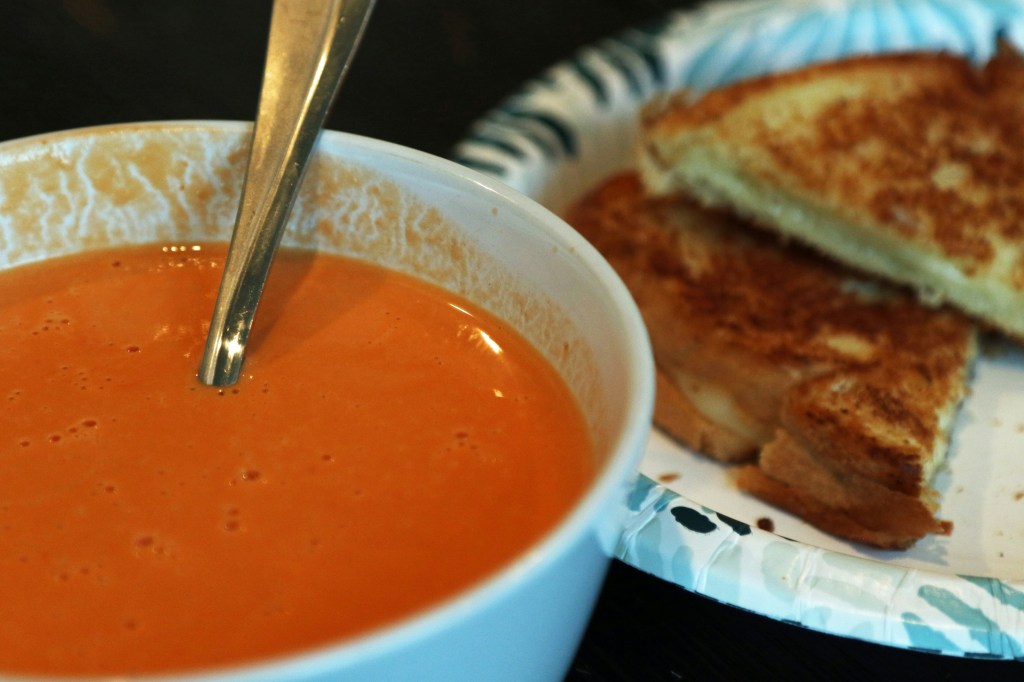
For example, if your family eats soup, pasta, taco bowls, and chili, you probably use:
- canned tomatoes
- broth
- rice
- beans
- pasta
- shredded cheese
- tortillas
- frozen vegetables
These overlapping ingredients become the backbone of your pantry.
This is where so many people overcomplicate things. Your pantry should not be built from a generic list online. It should be built from the meals your family actually enjoys eating.
If you do not use it, you do not need to store it.
Step 2: Choose 10 Core Pantry Staples
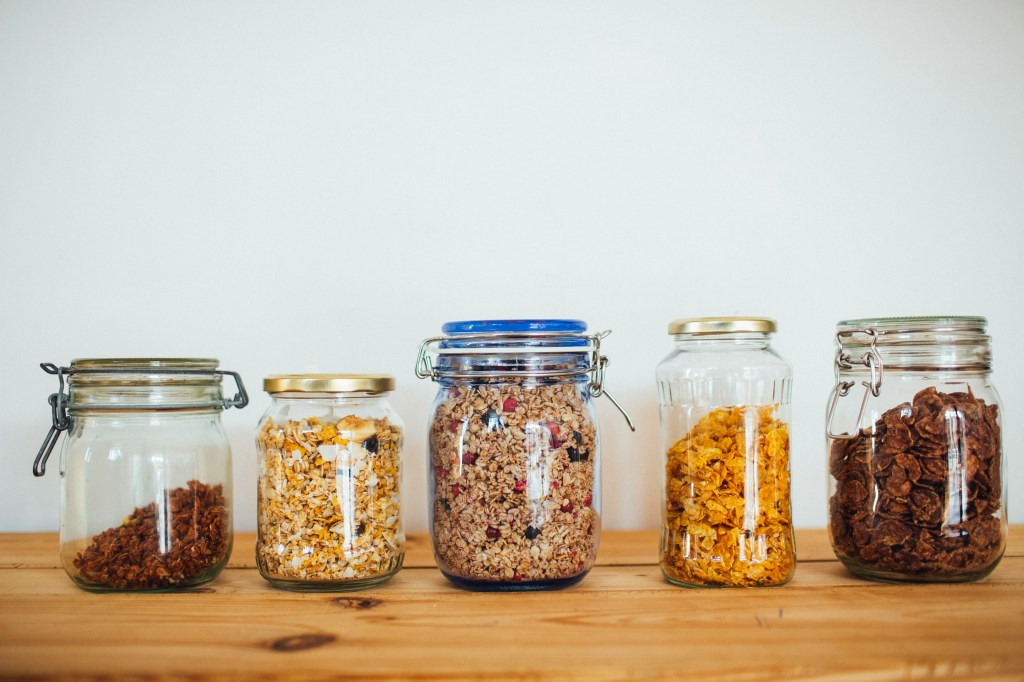
Once you know your family’s meal patterns, narrow it down to 10 dependable foods.
For many families, a strong starter list might include:
- rice
- pasta
- oats
- dry beans or canned beans
- canned tomatoes
- broth
- flour
- oil
- salt
- frozen vegetables
These are simple, versatile ingredients that can stretch into multiple meals and help you avoid the “there’s nothing to eat” feeling.
The key is to choose foods that work hard in your kitchen.
A bag of rice can become rice bowls, soup filler, burrito bowls, or a quick side. A can of tomatoes can become pasta sauce, soup, chili, or a skillet meal.
Small staples create big flexibility.
Step 3: Create a Simple Refill System
The pantry only works if it stays functional.
The easiest system I use is this:
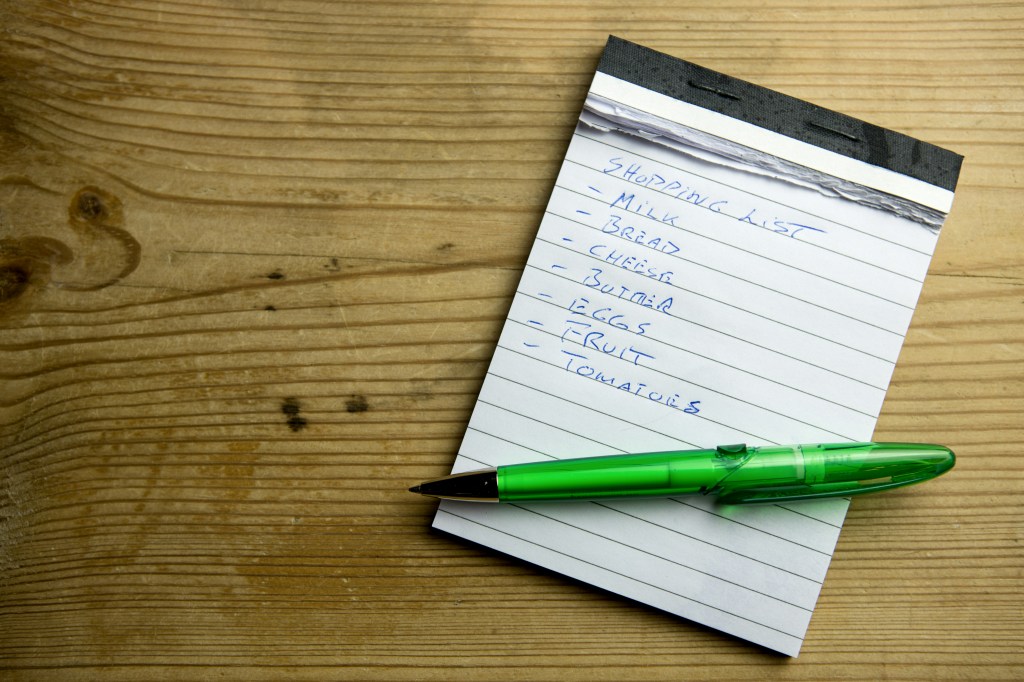
The moment I open the last one, it goes on the list.
That’s it. Don’t make it complicated.
If I open the last broth carton, it gets added to the grocery list immediately. Same for oats, flour, rice, and canned tomatoes.
This one habit removes the mental load of trying to remember what is running low.
Another helpful rhythm is a quick 5-minute pantry check once a week.
Before grocery shopping:
- glance at your staples
- rotate older items forward
- check what is low
- note what backup meals are possible
This tiny routine creates so much calm because it keeps your kitchen ready for real life.
Consistency creates security.
Step 4: Build 3 Backup Pantry Meals
One of the best things a strong pantry gives you is a built-in backup plan.
Choose 3 meals you can make almost entirely from pantry and freezer staples.
Some of my favorite examples:
- pantry pasta with canned tomatoes and ground beef
- rice bowls with beans, leftover meat, and sauces
- soup with broth, frozen vegetables, and pasta
- breakfast for dinner with oats, eggs, and toast
- quesadillas with tortillas, beans, and cheese
These meals save you on the nights when plans change, work runs late, or life just feels heavy.
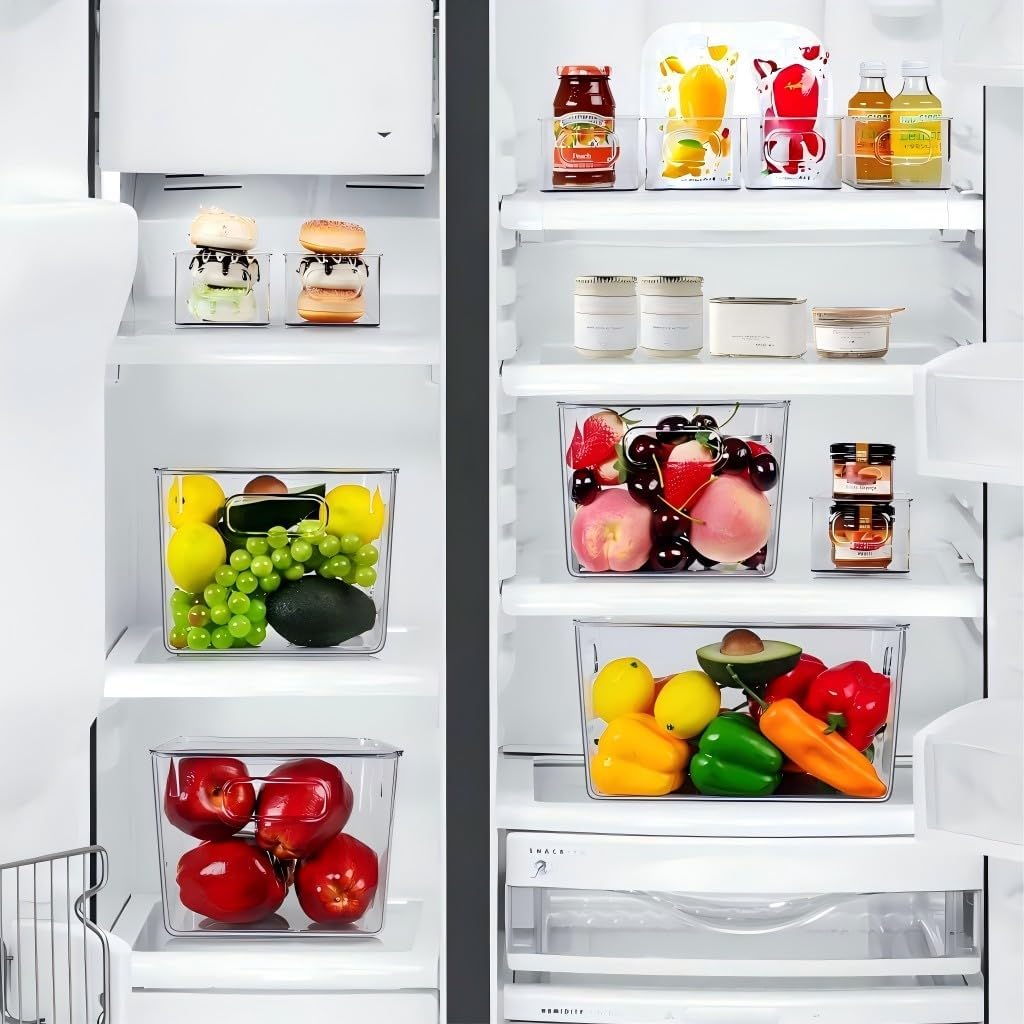
A simple clear fridge bin for leftovers and produce that needs to be used up pairs well with a strong pantry system. It gives you a visual reminder of what can be turned into soup, pasta, or rice bowls before it gets wasted.
Backup meals are one of the most practical ways to make your home feel stronger.
Prepared does not have to be dramatic. Sometimes it just looks like knowing dinner is still possible.
Common Pantry Mistakes to Avoid
The biggest pantry mistakes usually come from good intentions.
Here are a few to watch for:
Buying aspirational foods – If no one in your family eats quinoa, do not make it your staple just because it looks good in a jar.
Organizing before understanding habits – Do not over-label or over-systemize until you know what you actually use.
Forgetting the freezer – Frozen vegetables, meat, and bread are part of a strong pantry system too.
No leftover plan – Food waste often starts after the meal, not before it.
Storing too much of unfamiliar items – Start small and let your pantry grow based on use.
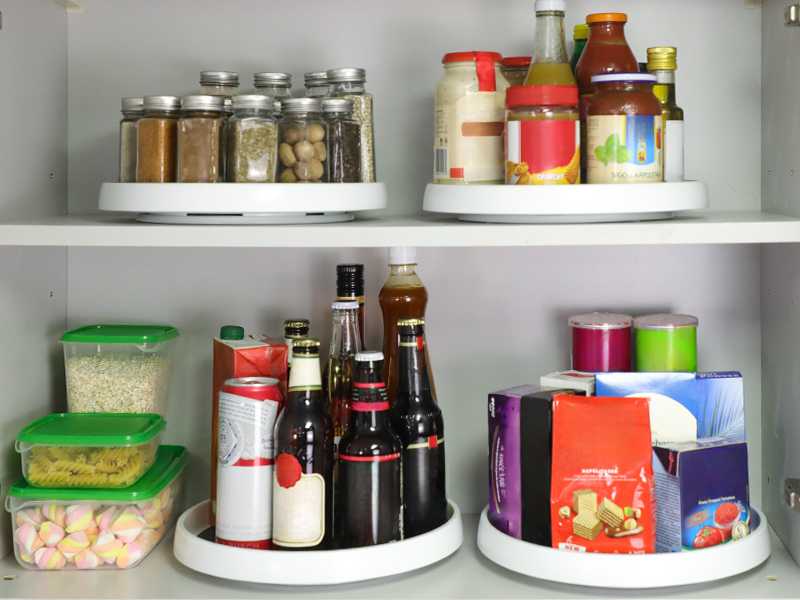
For deep pantry shelves or awkward corners, a small lazy susan for oils, vinegars, sauces, and canned goods can make ingredients easier to access. It keeps frequently used items visable instead of getting lost in the back of the shelf, which naturally reduces waste.
The best pantry systems are built through observation and repetition.
Final Thoughts: Build Slowly
A strong pantry is not built in one shopping trip.
It is built meal by meal, list by list, and habit by habit.
The goal is not to have the most beautiful pantry. The goal is to create a kitchen that supports your family with less stress, fewer wasted ingredients, and more confidence when life gets busy.
Simple systems really do create stronger homes.
Start with the meals you already love. Build from there. Repeat what works.
That is how confidence grows.
My Favorite Pantry Tools
If you are building your pantry one simple system at a time, start with:
- clear airtight containers
- magnetic grocery list
- fridge “use-it-up” bin
- lazy susan for sauces and oils
You do not need everything at once. Start with the one tool that solves your biggest kitchen frustration.
Ready for the Next Step?
If you want help turning pantry systems into a full 30-day rhythm for your home, my Calm & Capable Home Guide walks you through simple kitchen systems, less waste, and more confidence one small step at a time.
Because we are not doing everything. We are doing enough.
Frequently Asked Questions
What should every family pantry include?
Start with 8–10 versatile staples your family uses weekly, like rice, pasta, oats, broth, canned tomatoes, beans, flour, oil, and frozen vegetables.
How do I keep my pantry stocked without overspending?
Use a simple refill rhythm. The moment you open your last staple, add it to your list.
How many backup meals should a pantry support?
Aim for 3 simple meals you can make from pantry and freezer staples alone.
 Heavyweight Hens